Your team is working hard. Deadlines are being met. People are still delivering.
So why does it feel like things are slipping?
You see, most teams don’t suddenly stop performing.
They start paying for performance with their people – through retention, quality and speed.
And that cost rarely shows up where you’re looking…
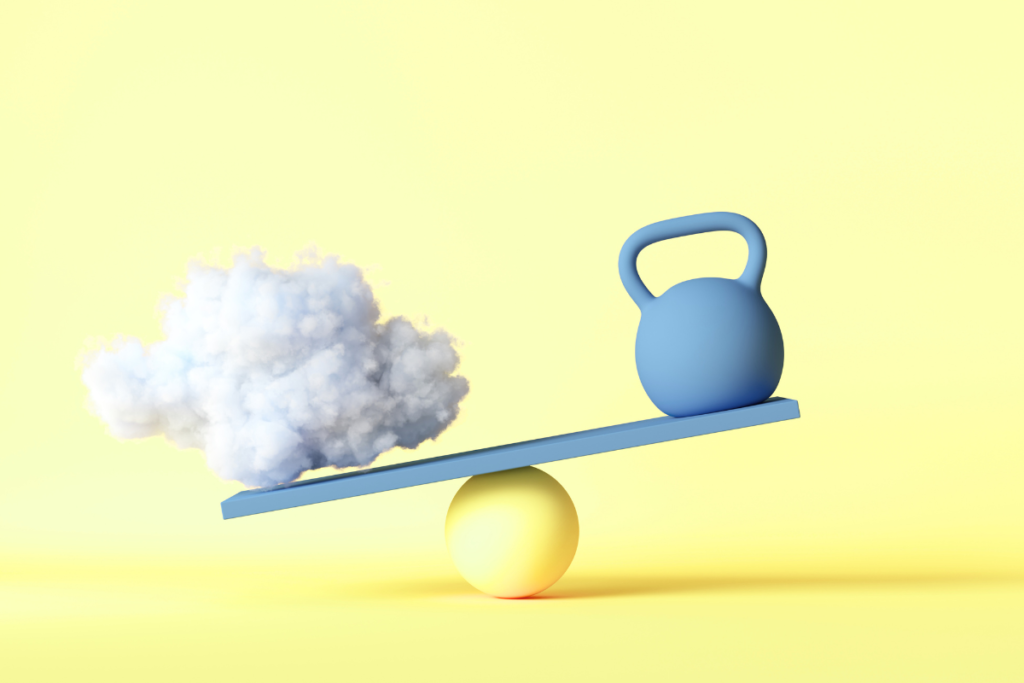
The Performance Drag
This is what I call performance drag.
Under sustained pressure, performance rarely collapses all at once. It leaks. Slowly, quietly, in ways that are easy to explain away in the moment.
The first signs are usually small:
- Judgement narrows
- Rework starts increasing
- Handoffs get sloppy
- Decisions get deferred
- Small things become big things
- People say yes but have no capacity left to absorb more.
Individually, none of these look very significant so you can rationalise each one on its own…
But together, they create friction across entire systems.
And the cost is already being paid. You just might not be able to see it yet.
The Hidden Incentive
In my last newsletter, I mentioned two thirds of teams are stretched right now. But here’s the part most people don’t want to sit with.
Staying stretched is protecting people from something.
From difficult prioritisation decisions. From stopping work that no longer matters. From honest conversations about capacity. Sometimes even from confronting the belief that being needed is the same as being effective.
And there may be another reason this is difficult to change.
Because humans are wired to protect against loss more strongly than pursue gain – this is called loss aversion (Kahneman & Tversky). Which is why stopping something can feel riskier than starting something. Reducing workload can feel like lowering standards. Letting go of being needed can feel like losing value.
So teams keep everything alive because no one wants to own the trade-off.
It’s easier to stay busy than to ask the harder questions.
But that protection has a price. And the price is performance.
The Pressure Is Stacking
The challenge is that pressure is stacking, not slowing. Every day, we are seeing more information, more complexity, more expectations, and more change.
And if your people are stretched now, what happens when the next wave arrives?
Because it will (and again). And the team already running at the edge has nothing left to give it. When there’s no slack in the system, every new request lands on someone who’s already carrying more than they can sustainably hold. That’s not resilience. That’s drag, hiding behind delivery.
The signs aren’t loud, they’re more like background noise that you’ve stopped hearing.
Conversations getting shorter. Curiosity getting quieter. The team still functions, but the spark, the discretionary thinking, the energy that makes good teams great, has dimmed.
And here’s the thing – none of this shows up in a quarterly report. It shows up in the people who quietly disengage. In the high performer who hands in their notice when you thought everything was fine. In the project that misses by a small margin that you can’t quite explain.
So the question isn’t whether you or your team is busy.
We know the answer.
The better question might be: What cost are you already paying for performance that hasn’t shown up on the scoreboard yet?
Because by the time it shows up in the numbers, you’ve already been paying for it for months.
Strong teams don’t wait for performance to break before they build capacity. They make deliberate decisions about what to stop, not just what to start. They protect the conditions that sustained performance depends on.
Because stretched teams survive pressure. Strong teams grow through it.
So, what’s one cost your team is already paying that hasn’t yet made it onto anyone’s radar?