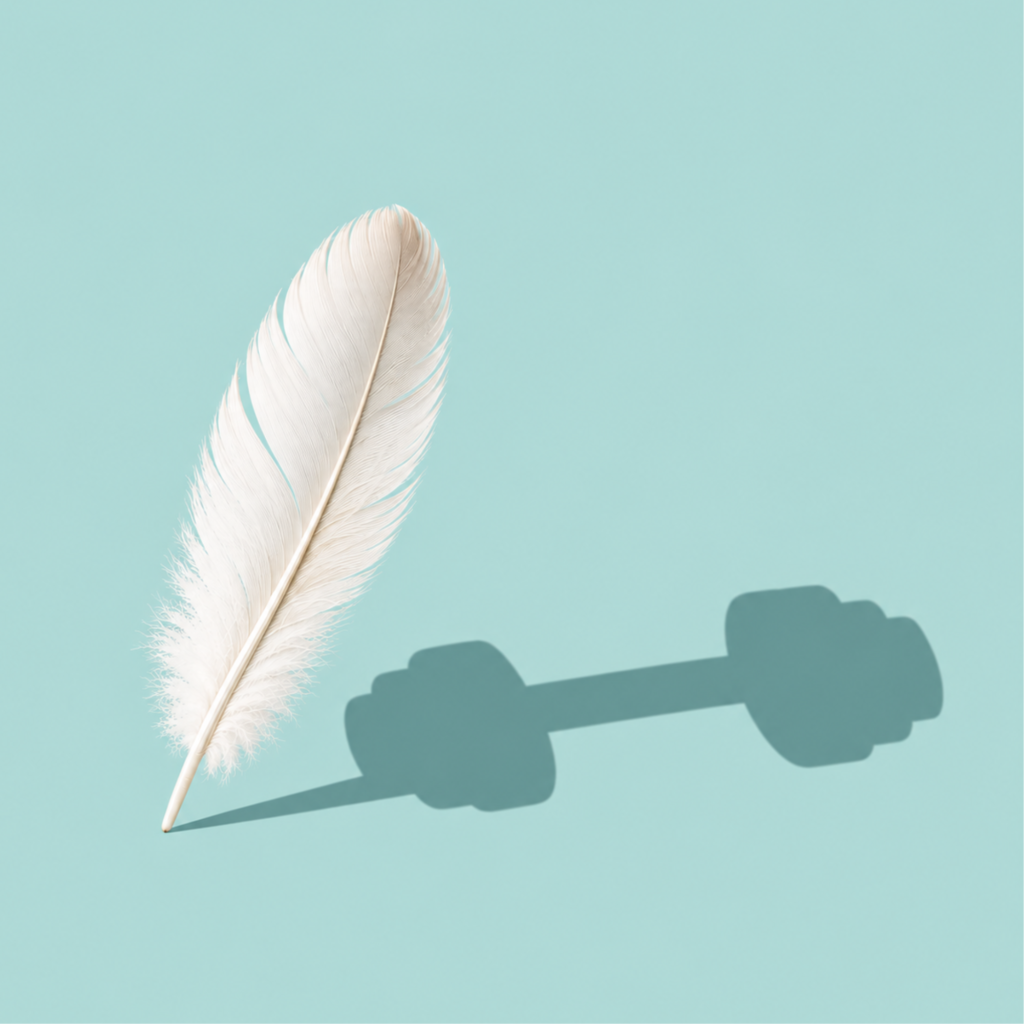
Two thirds of teams are stretched right now.
That’s what people shared with me recently at my Masterclass. And honestly, I don’t think anyone in the room was surprised.
We know burnout is rising. Stress is compounding. Wellbeing is declining. And leaders, the very people we rely on to steady the ship, are often the most at risk.
But none of this is new information.
We’ve been talking this for years. The WHO, Gallup, the OECD, and so many others, have all been tracking the rising costs of burnout, disengagement and dissatisfaction for the better part of a decade. And organisations have invested heavily in employee assistance programs, resilience training, flexible work, mental health days and leadership development.
And yet performance is still unsustainable. Many teams still feel exhausted. And good people are still quietly checking out.
So maybe the issue isn’t that we don’t know the answers.
Maybe the problem is that we’ve built cultures where being stretched has become an identity.
When ‘Busy’ Becomes a Badge
‘Busy’ is no longer just a description. It’s become a badge.
I’ve lost count of how many times I ask someone how they are and hear, ‘Busy.’ And it makes me shudder internally every time… Because it’s as if being stretched has become proof of our value or importance.
But often what we call busy is really just reactivity and cognitive overload. Because if your day is eight back-to-back meetings, constant messages on Teams and no uninterrupted focus time, that isn’t busy. That’s fragmentation and it has a very big cost.
And that’s what makes this difficult to shift. Because we know that change isn’t just tactical, it’s emotional.
To stop being stretched can feel, for some people, like becoming less valuable, less needed or less successful.
That’s why knowing better hasn’t solved it.
Because knowing doesn’t create change. Identity does.
The Pressure Isn’t Slowing Down
Here’s the bigger issue playing out right now. The pressure we’re under isn’t easing and it won’t be for some time.
AI acceleration, constant change, economic pressure, and information overload aren’t going anywhere. This is our new normal.
Which means organisations can’t afford to treat this as a short-term wellbeing issue anymore.
This is now a sustainable performance issue.
What Breaks First
Recently I asked a room full of leaders one simple question. ‘What breaks first when teams stay under pressure too long?
The answer wasn’t just workload or systems or capability.
It was mindset. ‘People stop assuming positive intent.’ ‘Everything feels urgent.’ ‘We lose sight of the priorities.’ ‘Small things become big things.’
The very thing teams need in order to grow through disruption is often the first thing that starts to narrow under sustained pressure.
And when people stay stretched for too long, the first thing lost isn’t output. It’s cognitive quality. This is when – thinking narrows, judgement speeds up, creativity disappears and relationships fracture.
Teams stop collaborating and start surviving.
You see it in the small moments: rework, slow decisions, missed handoffs, reactive choices, withdrawal, conflict where there used to be belonging and support.
Eventually people stop bringing their best thinking, energy and judgement because they simply don’t have the capacity left.
Stretched Teams vs Strong Teams
This is the difference between stretched teams and strong teams.
Stretched teams survive through pressure. Strong teams grow through pressure.
One runs on urgency. The other builds capacity.
One pushes harder until people fracture. The other builds the human capacity that sustainable performance depends on.
And that distinction matters more than ever.
Because the organisations that will thrive through the next decade won’t necessarily be the ones with the smartest strategy or the fastest technology.
They’ll be the ones with teams capable of sustaining performance through ongoing change. The ones who recognised early that stretched isn’t a strategy.
So maybe the real question isn’t, ‘Do we know what to do?’
Maybe it’s ‘What identities, habits or ways of working are we still protecting because they make us feel needed, even when they’re no longer helping us perform?’